Customer Proof
What Shops Are Saying
These are real customers — not marketing copy. Click any video to watch.
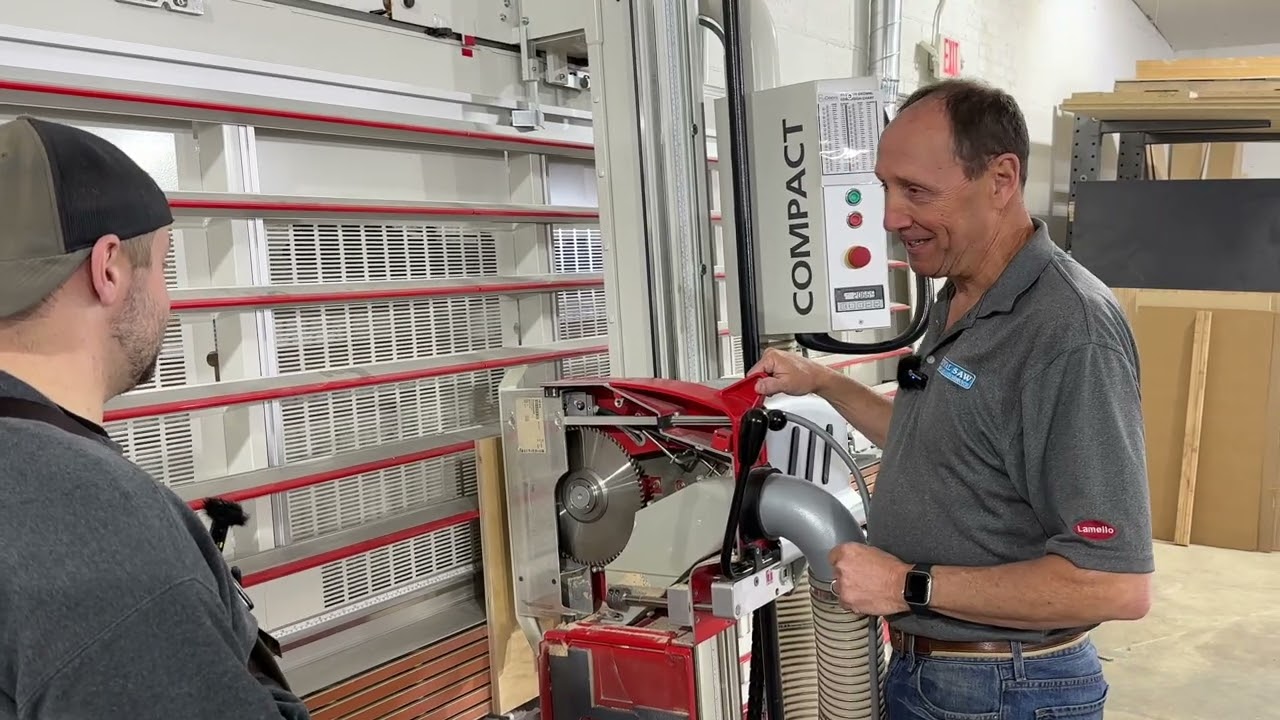
Custom Cabinet Shop
Greene Street Joinery
Keansburg, New Jersey
"Not only would we have the accuracy, safety, and repeatability of the world's greatest vertical panel saws — we would regain floor space that we managed to fill up so quickly."
Floor space recovered
Reduced operator fatigue
Faster sheet breakdown

Cabinet Doors & Drawer Manufacturing
Eagle Woodworking
Methuen, Massachusetts · Est. 1980
"When you need to cut a lot of squares and rectangles, there's no faster or more accurate way than with a Striebig."
Faster processing
Fewer re-cuts
2,000+ customers served
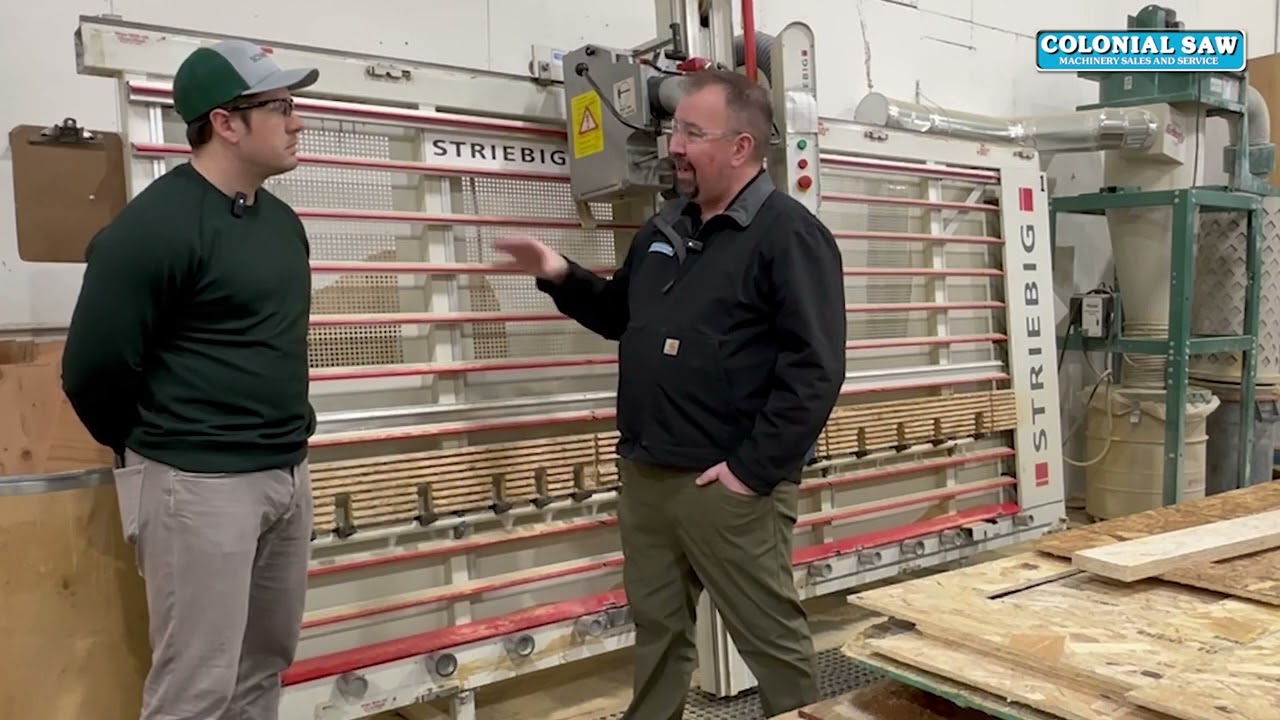
Off-Site Construction & Prefab
JL Schwieters
Minnesota
"We have four STRIEBIG saws in our facility because they simply work. Our crews put them through a lot of abuse, and they've always held up."
4 machines purchased
3 production areas
Reliable under heavy use
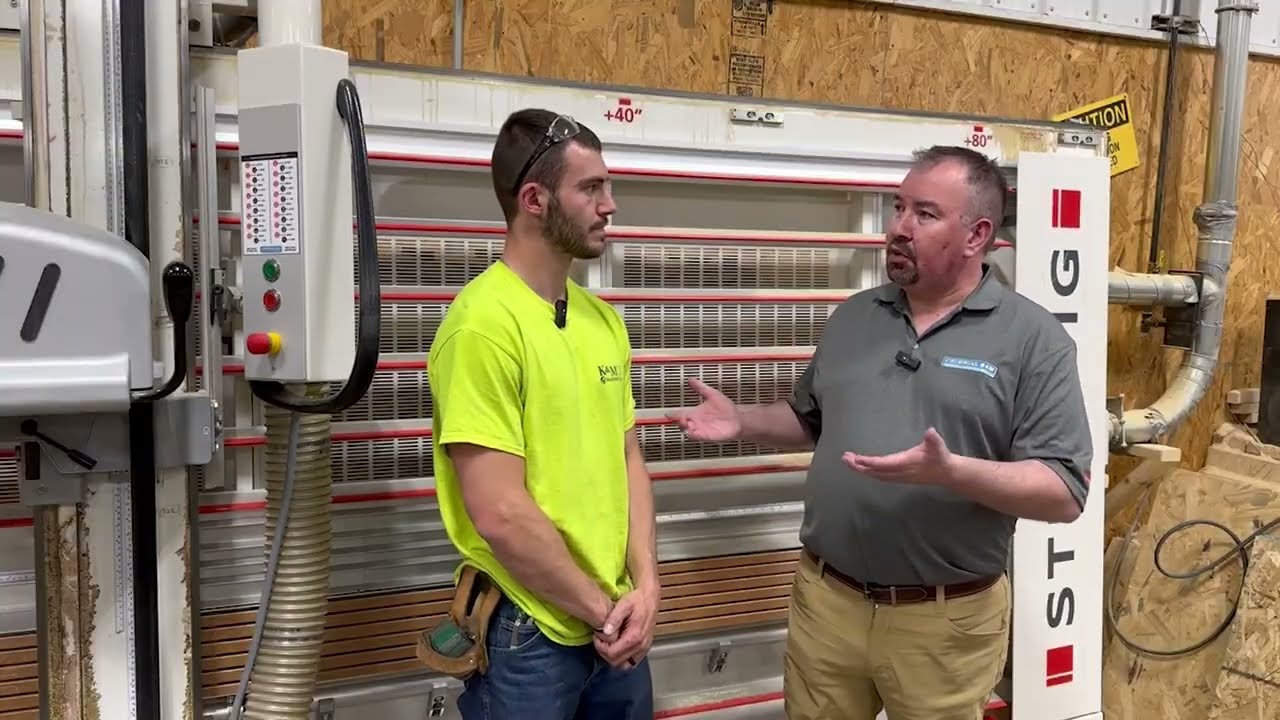
Crating & Packaging
K&M Worldwide Crating
Freedom, Wisconsin
"We've seen a tremendous improvement. We can cut up to four sheets at a time, and efficiency has gone up because there are fewer mistakes — we can use the bump stops and leave them set at certain dimensions."
4× sheets per pass
Fewer cut errors
Higher production rate
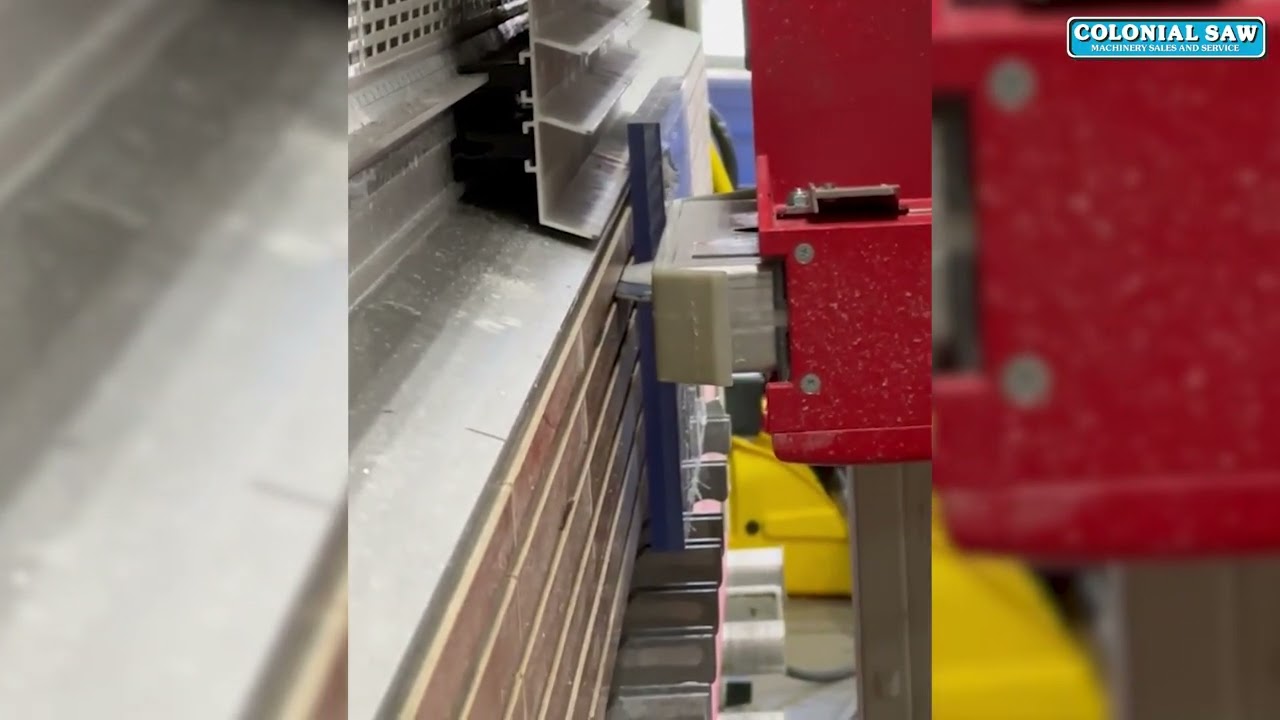
Plastic Fabrication & Manufacturing
Roll-A-Cover, Intl.
Bethany, Connecticut
"We're cutting polycarbonate, acrylic — materials that won't forgive a bad cut. The Striebig gives us the accuracy and repeatability we need every single day."
Precision plastic cutting
Consistent repeatability
High-volume production
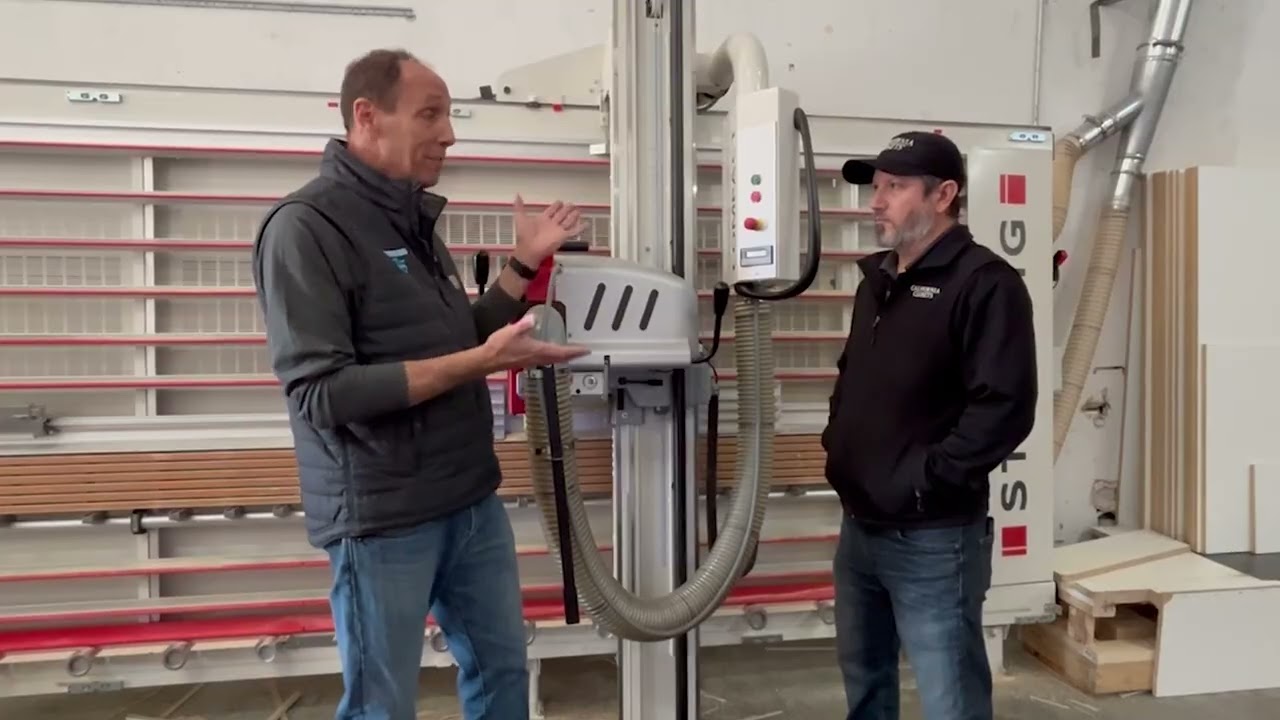
Custom Closet & Storage Manufacturing
California Closets
New Orleans, LA — Franchise Division
"We went from a panel saw and three guys to cut on it. Now one guy does the cutting while the others work the other machines. We're producing more sheets per hour than we were on the sliding table saw."
3× output per operator
15 sheets in 2 hours
Small shop, against the wall